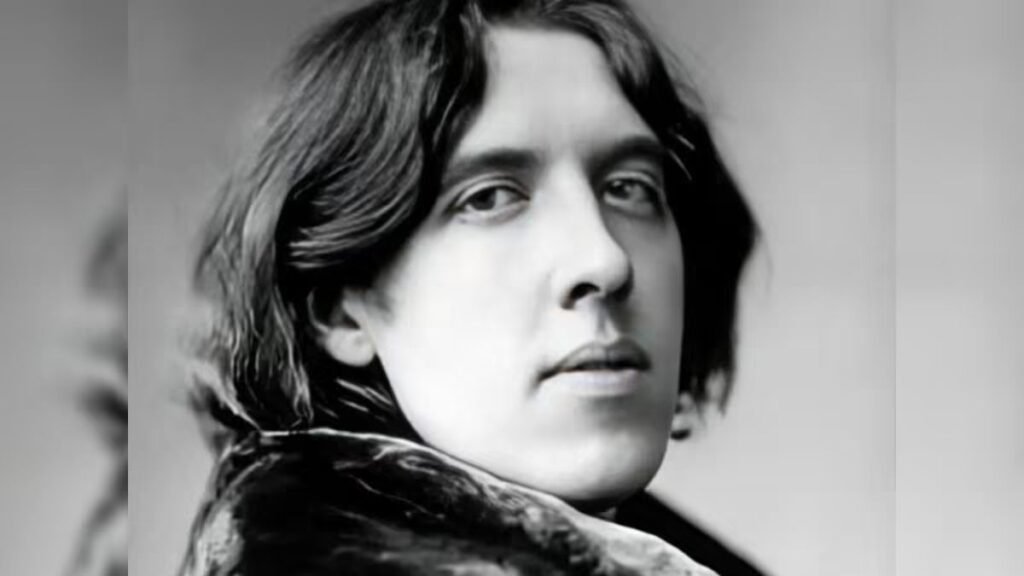

The famous quote by Oscar Wilde, “Second marriage is the triumph of hope over experience, while first marriage is the triumph of imagination over intelligence,” offers a witty yet deeply thought-provoking reflection on human relationships. Wilde, known for his sharp humor and keen observations about society, captures in a single sentence the emotional evolution people undergo when they step into marriage—especially when they do so more than once. Beneath the clever phrasing lies a truth about human nature: we are driven by dreams, lessons, and an enduring desire to believe in love, no matter the circumstances.
First Marriage: Where Imagination Leads the Way
A first marriage is often built on dreams, ideals, and expectations shaped by culture, stories, and personal fantasies. People enter it with a sense of excitement, imagining a perfect partnership where love conquers all obstacles. At this stage, imagination plays a dominant role. Individuals may overlook practical realities or underestimate the challenges that come with sharing a life with another person.
This “triumph of imagination over intelligence” does not suggest foolishness, but rather highlights the hopeful innocence that accompanies new beginnings. Love feels limitless, and partners tend to focus more on emotional connection than on compatibility in everyday life. There is beauty in this phase, as it reflects optimism and a willingness to believe in something greater than oneself. However, it can also lead to misunderstandings when expectations clash with reality.
Experience and Its Lessons
With time, relationships reveal their complexities. Differences in values, habits, and priorities begin to surface. These experiences shape individuals, teaching them what works and what does not in a partnership. While some marriages grow stronger through this process, others may come to an end.
Experience, though sometimes painful, is one of life’s greatest teachers. It brings clarity, maturity, and a deeper understanding of oneself and others. People who go through the end of a marriage often carry forward lessons about communication, compromise, and emotional needs. These lessons form the foundation of how they approach future relationships.
Second Marriage: Hope Against the Odds
When Wilde describes a second marriage as the “triumph of hope over experience,” he points to the remarkable resilience of the human spirit. After experiencing disappointment or failure, choosing to marry again requires courage. It means believing that love can still flourish despite past setbacks.
Unlike the first marriage, where imagination dominates, a second marriage is often entered with awareness and realism. Individuals are more conscious of potential challenges and may approach the relationship with greater care. Yet, despite this awareness, they still choose hope. This hope is not naive; it is deliberate and powerful. It reflects a decision to trust again, to open one’s heart, and to seek happiness despite knowing the risks.
The Balance Between Heart and Mind
Wilde’s quote also highlights the tension between emotion and logic in relationships. The first marriage leans heavily on emotion and dreams, while the second reflects a balance shaped by both experience and renewed optimism. Ideally, a successful partnership requires a blend of imagination, intelligence, experience, and hope.
Human relationships cannot be reduced to logic alone, nor can they thrive on fantasy without grounding. Love requires effort, understanding, and adaptability. Whether it is a first or second marriage, the key lies in learning how to balance expectations with reality while keeping the emotional connection alive.
The Universality of Wilde’s Observation
Although written in a different era, Wilde’s words remain relevant today. In modern society, where relationships take many forms and people often prioritize personal growth, his insight still resonates. Many individuals delay marriage, focus on careers, or experience multiple relationships before settling down. Yet, the emotional patterns Wilde describes continue to appear.
The quote speaks not just about marriage but about human nature itself. It reflects our tendency to dream, to learn, and to hope again. It reminds us that even when life teaches hard lessons, the desire for connection and companionship never truly fades.
Conclusion
Oscar Wilde’s quote offers a brilliant and humorous reflection on the journey of love and marriage. A first marriage, driven by imagination, captures the beauty of hope and innocence, while a second marriage, shaped by experience, demonstrates resilience and renewed belief. Together, they reveal the complex interplay between dreams and reality in human relationships.
Ultimately, the quote is not a criticism of marriage but a celebration of the human spirit. It shows that despite setbacks and lessons learned, people continue to believe in love. Whether guided by imagination or strengthened by experience, the willingness to embrace hope remains one of the most powerful aspects of being human.
FAQs
Q1. What does Oscar Wilde mean by first marriage being imagination over intelligence?
It means people often enter first marriage driven by dreams and emotions rather than practical thinking.
Q2. Why is second marriage called hope over experience?
Because despite past experiences, people still choose to believe in love again.
Q3. Is this quote criticizing marriage?
Not exactly—it highlights human nature in love and relationships with a touch of humor.