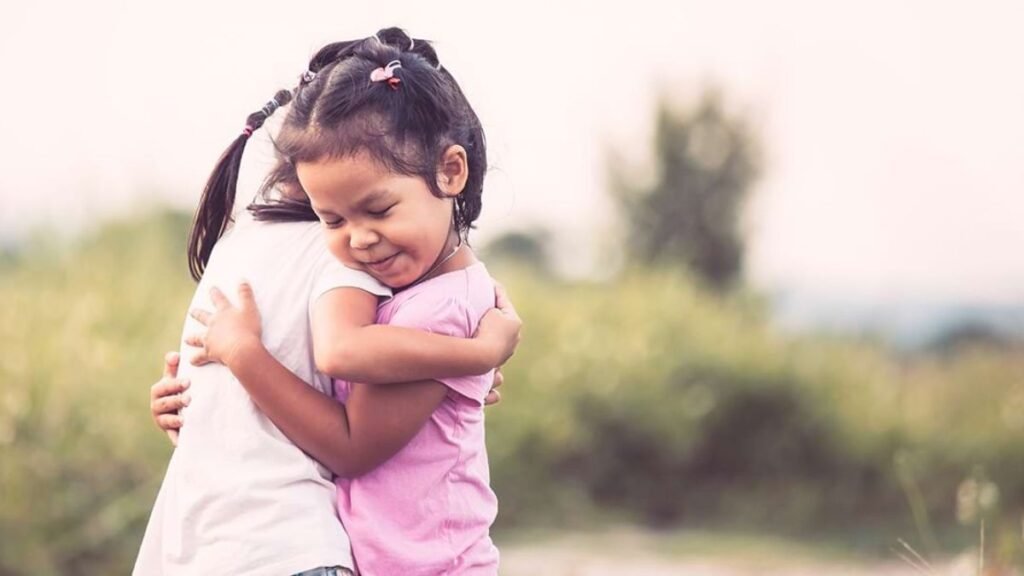

There is something undeniably pure about the way children see the world. While adults often weigh situations with logic, experience, and sometimes even bias, children respond with instinct—an instinct that is often rooted in kindness and compassion. They don’t overthink whether they should help someone, comfort a friend, or share what they have. They simply act.
In a world where we are constantly reminded of complexity, children quietly teach us that kindness doesn’t have to be complicated. It can be as simple as holding someone’s hand, sharing a snack, or offering a genuine smile. These small acts, though seemingly insignificant, often carry profound meaning.
This article explores twelve deeply touching moments that remind us how children often understand kindness and compassion better than adults—and what we can learn from them.
The Innocence That Sees No Differences
One of the most remarkable things about children is that they don’t see the divisions that adults create. Whether it’s race, social status, or physical differences, children often approach others with curiosity rather than judgment.
A young child once approached a classmate who used a wheelchair and simply asked, “Do you want to play with me?” There was no hesitation, no awkwardness—just a pure invitation. For that child, the only thing that mattered was companionship.
This moment reflects a powerful truth: kindness begins when we stop focusing on differences and start seeing people simply as people.
Sharing Without Expecting Anything in Return
Children have an incredible ability to share without calculating what they will get back. Whether it’s their favorite toy or the last piece of chocolate, they often give without hesitation.
In one touching instance, a child noticed another student sitting alone during lunch without food. Without being asked, they quietly offered half of their meal. There was no need for recognition or reward—just a natural desire to help.
Adults, on the other hand, often attach conditions to generosity. Children remind us that true kindness is unconditional.
Comforting Others Without Words
Sometimes, the most powerful form of compassion doesn’t involve words at all. Children instinctively understand this.
A little girl saw her friend crying after losing a game. Instead of offering advice or trying to fix the situation, she simply sat beside her and held her hand. That silent gesture spoke louder than any words could.
It’s a reminder that being present for someone is often more meaningful than trying to solve their problems.
Forgiving Quickly and Moving On
Adults tend to hold onto grudges, replaying hurtful moments over and over again. Children, however, have a remarkable ability to forgive and forget.
Two kids might argue intensely one moment and be laughing together the next. For them, relationships matter more than ego.
This ability to let go of negativity is a powerful lesson. Compassion isn’t just about how we treat others—it’s also about how we release resentment and make space for understanding.
Helping Without Being Asked
Children often step in to help others without waiting for instructions. Their actions are driven by empathy rather than obligation.
A young boy once noticed his teacher struggling to carry books. Without being asked, he rushed over and offered help. It wasn’t a grand gesture, but it showed awareness and willingness to support someone in need.
Adults often wait for cues or feel hesitant, but children act instinctively. Their compassion is immediate and genuine.
Seeing the Good in Everyone
Children have an incredible ability to see the good in people, even when others cannot. They don’t dwell on flaws or past mistakes.
For example, a child might befriend someone who is often misunderstood or excluded by others. They focus on shared joy rather than perceived shortcomings.
This perspective is refreshing and teaches us to look beyond imperfections and recognize the humanity in everyone.
Expressing Kindness Freely
Children are not afraid to express kindness openly. They give hugs, compliments, and smiles without worrying about how they might be perceived.
A simple “You’re my best friend” or “I like your drawing” can brighten someone’s entire day. These words, though small, carry immense emotional value.
As adults, we often hold back, overthinking our actions. Children remind us that kindness should be expressed freely and often.
Standing Up for Others
Even at a young age, children can demonstrate a strong sense of justice. They instinctively know when something is wrong and are not afraid to stand up for others.
In a classroom, a child once defended a classmate who was being teased. Without hesitation, they said, “That’s not nice. Stop.”
This courage comes from a place of empathy. It shows that compassion is not passive—it can also be bold and protective.
Finding Joy in Giving
For children, giving is not a burden—it’s a source of happiness. Whether it’s making a handmade card or sharing a toy, they genuinely enjoy making others smile.
A child once spent hours creating a small gift for a friend’s birthday. The joy they felt while giving it was even greater than receiving gifts themselves.
This reminds us that kindness is not just beneficial for others—it also enriches our own lives.
Being Honest Yet Gentle
Children are known for their honesty, but what’s often overlooked is their ability to be honest with kindness.
When a friend feels sad or insecure, a child might say something simple yet comforting like, “You’re still my friend.”
They don’t sugarcoat reality, but they express truth in a way that is compassionate rather than hurtful.
Including Everyone
Exclusion is something adults often practice unintentionally, but children naturally lean toward inclusion.
On a playground, it’s common to see a child invite someone new to join their game. They don’t worry about social dynamics—they simply want everyone to feel included.
This openness is a powerful form of kindness. It reminds us that inclusion doesn’t require effort—it requires intention.
Loving Without Conditions
Perhaps the most beautiful aspect of children’s compassion is their ability to love without conditions.
They don’t measure relationships based on status, achievements, or material possessions. They love people for who they are.
A child hugging their parent after a long day, or smiling at a stranger, reflects a kind of love that is pure and unfiltered.
Conclusion
Children may be young, but their understanding of kindness and compassion is profound. They act without hesitation, love without conditions, and forgive without holding onto the past.
In many ways, they embody the values that adults strive to relearn later in life. Their actions remind us that kindness doesn’t require complexity—it requires sincerity.
As we navigate our busy, often complicated lives, perhaps the greatest lesson we can learn is to see the world through a child’s eyes. To act with empathy, to give without expecting, and to care without conditions.
Because in the end, kindness is not about grand gestures—it’s about the small, everyday moments that make the world a little brighter.
FAQs
1. Why do children understand kindness better than adults?
Children act with pure emotions and without overthinking, making their kindness natural and unconditional.
2. What can adults learn from children about compassion?
Adults can learn to be more empathetic, forgive quickly, and help others without expecting anything in return.
3. How can we encourage kindness in children?
By modeling positive behavior, appreciating their kind actions, and teaching empathy through everyday situations.