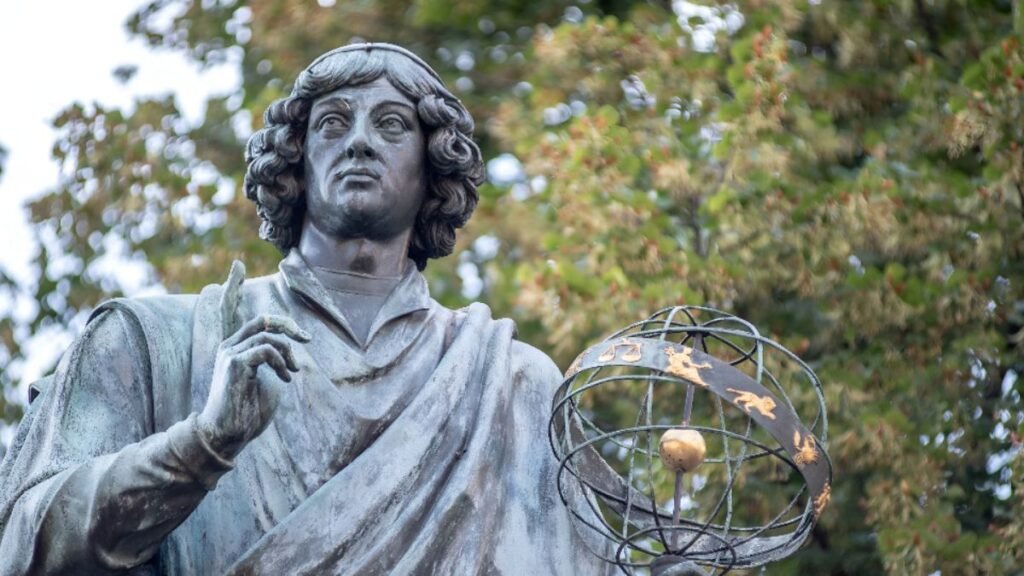

The quote by Nicolaus Copernicus, “To know that we know what we know, and to know that we do not know what we do not know, that is true knowledge,” carries a depth that goes far beyond its simple wording. It is not just a statement about knowledge but a profound reflection on awareness, humility, and the human mind.
In today’s fast-paced world, where information is readily available and opinions are formed instantly, we often confuse having information with having knowledge. Copernicus reminds us that true knowledge lies not only in what we understand but also in recognizing the limits of our understanding. This dual awareness—of knowing and not knowing—is what defines wisdom.
This idea may seem straightforward at first glance, but when we truly reflect on it, we realize how rare and powerful this mindset is. It requires honesty, self-awareness, and the courage to admit uncertainty.
The Difference Between Information and Knowledge
In modern times, we are surrounded by information. With a few clicks, we can access endless data on almost any subject. However, having access to information does not automatically translate into knowledge.
Knowledge requires comprehension, reflection, and the ability to apply what we learn. It is about understanding not just facts, but their meaning and relevance. Copernicus’ quote emphasizes that true knowledge involves clarity about what we genuinely understand.
Many people assume they know something simply because they have heard about it. This illusion of knowledge can be dangerous because it prevents further learning. When we believe we already know everything, we stop asking questions.
True knowledge, therefore, begins with recognizing the difference between surface-level information and deep understanding.
The Power of Knowing What We Know
The first part of Copernicus’ quote focuses on being aware of what we truly know. This might sound obvious, but it is more complex than it appears.
Knowing what we know means having confidence in our understanding while being able to explain it clearly. It is not about memorization but about clarity. When we truly understand something, we can express it in simple terms, apply it in real-life situations, and even teach it to others.
This kind of knowledge builds confidence and allows us to make informed decisions. It helps us navigate life with a sense of certainty and direction.
However, this confidence must be grounded in truth, not assumption. Overconfidence without real understanding can lead to mistakes and misunderstandings.
The Wisdom of Knowing What We Don’t Know
The second part of the quote is perhaps even more important. Knowing what we do not know requires humility. It means accepting that our knowledge is limited and that there is always more to learn.
This awareness is what keeps curiosity alive. When we acknowledge our gaps in knowledge, we become open to new ideas and perspectives. We ask questions, seek answers, and continue to grow.
In contrast, those who refuse to admit what they don’t know often remain stuck in their understanding. They may appear confident, but their growth is limited.
Copernicus’ insight teaches us that ignorance is not the problem—unrecognized ignorance is. When we are aware of what we don’t know, we take the first step toward learning.
Intellectual Humility as True Strength
In many societies, admitting “I don’t know” is seen as a weakness. People often feel pressured to appear knowledgeable, even when they are unsure.
However, Copernicus’ quote challenges this perception. It suggests that true strength lies in intellectual humility. Recognizing our limitations is not a sign of weakness but a mark of wisdom.
Intellectual humility allows us to listen to others, consider different viewpoints, and learn continuously. It prevents arrogance and encourages collaboration.
This mindset is especially important in a world where knowledge is constantly evolving. What we know today may change tomorrow, and being open to that change is essential for growth.
The Role of Self-Awareness in Knowledge
Self-awareness plays a crucial role in understanding Copernicus’ message. Without self-awareness, it is impossible to distinguish between what we know and what we merely think we know.
Being self-aware means reflecting on our thoughts, questioning our beliefs, and evaluating our understanding. It requires honesty and a willingness to challenge ourselves.
This process can be uncomfortable because it forces us to confront our limitations. However, it is also deeply rewarding because it leads to genuine growth.
Through self-awareness, we develop a clearer understanding of ourselves and the world around us.
Why This Wisdom Matters Today
In the age of social media and instant communication, misinformation spreads quickly. People often share opinions without verifying facts, leading to confusion and misunderstanding.
Copernicus’ quote is more relevant than ever in this context. It reminds us to pause, reflect, and evaluate our knowledge before expressing it.
By being mindful of what we know and what we don’t know, we can contribute to more meaningful and informed discussions. We can avoid spreading misinformation and instead promote understanding.
This approach not only benefits individuals but also strengthens communities and societies.
Applying This Philosophy in Everyday Life
Understanding this concept is one thing, but applying it in daily life is where its true value lies.
In conversations, it means being honest about our knowledge and open to learning from others. In decision-making, it involves gathering information, questioning assumptions, and acknowledging uncertainty.
In education, it encourages a growth mindset where learning is seen as a continuous process rather than a final destination.
Even in personal relationships, this philosophy can improve communication. By recognizing what we don’t understand about others, we become more empathetic and less judgmental.
The Journey Toward True Knowledge
True knowledge is not a fixed state but a journey. It evolves as we learn, experience, and grow.
Copernicus’ quote serves as a guide on this journey. It reminds us to stay curious, remain humble, and continuously seek understanding.
This journey is not about accumulating facts but about developing wisdom. It is about seeing the bigger picture and understanding our place within it.
As we move forward, this mindset can help us navigate challenges, make better decisions, and live more meaningful lives.
Conclusion
The wisdom shared by Nicolaus Copernicus is timeless and universal. His words encourage us to look beyond the surface and reflect deeply on the nature of knowledge.
True knowledge is not about knowing everything. It is about being aware of what we know and having the humility to accept what we do not.
In embracing this perspective, we open ourselves to growth, understanding, and wisdom. We become better learners, better thinkers, and ultimately, better individuals.
As we navigate the complexities of life, this simple yet profound idea can serve as a guiding principle, reminding us that the pursuit of knowledge is not about certainty but about awareness.