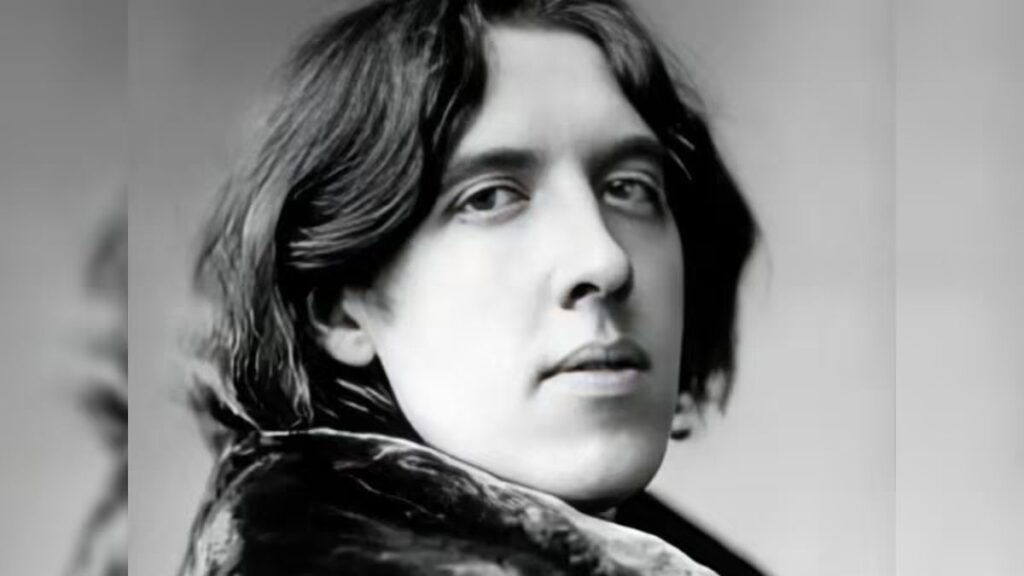

Quote of the day by Oscar Wilde: Oscar Wilde is considered one of the most renowned literary figures of the 19th century. His plays, essays, and witty aphorisms remain popular among people to this day. One of his famous lines—”Marriage is the triumph of imagination over intelligence. Second marriage is the triumph of hope over experience.”—continues to provoke thought among people even now. While this statement is certainly concise, it encapsulates a profound understanding of relationships and the truth of human emotions.
What is the true meaning behind this statement?
At first glance, this statement by Wilde might appear somewhat humorous or satirical; however, a deeper truth lies beneath it. When he asserts that a first marriage is “the triumph of imagination over intelligence,” he implies that, at the time of marriage, people often make decisions based on their emotions and dreams rather than relying entirely on logic and reason.
In the initial stages of love, a person tends to view their partner in an idealized light. They imagine that the life ahead will be filled with happiness and dreams. During this phase, they often overlook various crucial factors—such as temperament, mindset, and life goals. In essence, imagination becomes so powerful that it eclipses rational judgment.
Why does hope persist even after experience?
Marriage is not merely about romance; it is also a matter of responsibility and partnership. Over time, relationships inevitably face various challenges—such as financial difficulties, differences in perspective, and shifting priorities. These experiences serve as valuable lessons for an individual.
When Wilde describes a second marriage as “the triumph of hope over experience,” he seeks to convey that while a person undoubtedly learns from their past experiences, they nevertheless choose to love and marry once again. This decision stems not from ignorance, but from hope—the hope that, this time around, things will turn out better.
The Profound Truth Hidden in Humor
Oscar Wilde’s genius lay in his ability to convey profound insights through the medium of humor. This particular statement of his does not merely serve as a critique of marriage; rather, it highlights the inherent complexities of relationships. Love encompasses both dreams and reality—moments of joy as well as inevitable challenges. This perspective of his also serves as a reminder that human beings are, by nature, optimists. No matter how much disappointment they may encounter, they continue to seek out relationships and love. This is, perhaps, the most beautiful aspect of human nature.
The Balance Between Imagination and Reality
Hidden within this statement by Wilde lies a profound message—one concerning the balance required in relationships. On one hand, there is imagination and romance, which lend beauty to a relationship. On the other, there is reality, which ensures its longevity.
If a relationship were to rest solely on imagination, it would likely crumble very quickly. Conversely, if it were driven purely by pragmatism—devoid of emotion—the relationship would begin to feel like a burden. Therefore, a successful relationship necessitates a balance between the two: love coupled with wisdom.
Why Is This Idea Still Relevant Today?
More than a century has passed since Wilde’s time, yet his ideas remain just as valid today. People still fall in love, get married, face challenges, and—at times—embark on new beginnings.
In the modern era—a time characterized by open dialogue regarding relationships—this statement becomes even more pertinent. It teaches us the importance of maintaining a delicate balance between our dreams and the realities of life.
A Symbol of the Human Spirit
Ultimately, this statement is not merely about marriage; it is a testament to human resilience and hope. It demonstrates that, despite enduring countless hardships, human beings continue to place their faith in love. They possess the courage to start anew and the capacity to envision a brighter future.
Conclusion: The Unique Truth of Love and Life
Oscar Wilde’s insight helps us understand that love is neither entirely rational nor based solely on fantasy. It is, rather, a blend of both—a realm where experience serves as our teacher, and hope empowers us to move forward.
Whether one agrees with his perspective or not, it undeniably compels us to reflect upon our own relationships. This is precisely why this statement remains just as impactful and relevant today as it was in its own time.
FAQs
Q. What did Oscar Wilde mean by his quote on marriage?
A. He meant that people often marry based on romantic imagination rather than practical thinking, and remarry based on hope despite past experiences.
Q. Why is first marriage called “imagination over intelligence”?
A. Because people are usually driven by love, dreams, and idealism instead of logic and compatibility.
Q. What does “hope over experience” mean in second marriage?
A. It means people still believe in love and choose to try again, even after learning from past mistakes.