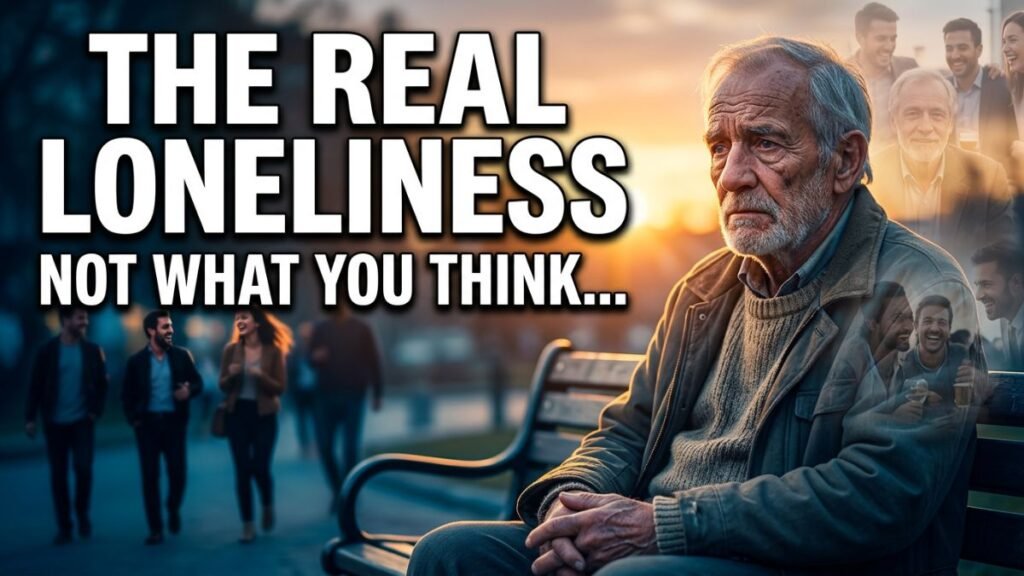

Retirement is often imagined as a peaceful chapter of life—slow mornings, freedom from deadlines, and the luxury of time. Many people spend decades working toward this phase, believing it will finally offer rest and fulfillment. Yet, for many retirees, the emotional reality feels unexpectedly different. It is not just the quietness of the days or the absence of coworkers that creates discomfort. Instead, the deeper and more unsettling realization is that many relationships built over the years were not as meaningful as they once seemed.
Beyond Physical Solitude
Being alone does not always mean feeling lonely. Some retirees genuinely enjoy solitude, finding comfort in hobbies, reflection, or spending time with close family. However, psychology suggests that the real pain comes from a more complex place. It emerges when individuals recognize that many of their social connections were tied to shared environments rather than genuine emotional bonds. Workplaces, daily routines, and responsibilities often act as the glue that holds relationships together. Once these structures disappear, so do many of the connections that once felt stable.
The Role of Routine in Relationships
Throughout a career, routines create consistent interaction. Seeing the same colleagues every day, sharing coffee breaks, or collaborating on projects builds familiarity. Over time, this familiarity can feel like closeness. However, much of this connection is supported by necessity rather than choice. When retirement removes the daily rhythm, the effort required to maintain these relationships becomes more apparent. Without the structure of routine, many connections quietly fade, leaving retirees questioning how deep those bonds truly were.
Utility and the Illusion of Connection
Another difficult realization comes from understanding how much “utility” plays a role in relationships. In professional settings, people often connect because they need something from each other—support, collaboration, or shared goals. These interactions can feel warm and meaningful, but they are often tied to function rather than genuine curiosity about a person’s inner world. Once the need disappears, the connection may weaken. This can leave retirees feeling as though they were valued more for what they did than for who they are.
The Emotional Impact of This Realization
Discovering that relationships were built on proximity and utility rather than authentic interest can be deeply unsettling. It can trigger feelings of invisibility, rejection, or even identity loss. Work often provides not only social interaction but also a sense of purpose and belonging. When both are suddenly gone, retirees may feel disconnected not just from others, but from themselves. The silence is no longer peaceful—it becomes a reminder of what is missing.
Rediscovering Authentic Connection
Despite this challenging realization, retirement also offers a unique opportunity. Without the constraints of routine and obligation, individuals can begin to build relationships that are more intentional and genuine. This might involve reconnecting with old friends, forming new social circles based on shared interests, or investing more deeply in family relationships. The key difference is that these connections are chosen rather than required, making them more meaningful and fulfilling over time.
Rebuilding Identity After Work
A significant part of overcoming this isolation involves redefining identity. For many, work becomes a central part of who they are. Retirement forces a shift, encouraging individuals to explore aspects of themselves that may have been neglected. Pursuing hobbies, volunteering, or learning new skills can help fill this gap. More importantly, it allows retirees to engage with others in ways that reflect their true interests rather than their professional roles.
The Importance of Curiosity in Relationships
At the heart of meaningful relationships lies genuine curiosity. It is the willingness to understand someone beyond surface-level interaction—their thoughts, values, and experiences. Retirement can be a time to cultivate this kind of curiosity, both in others and in oneself. By seeking deeper conversations and authentic connections, individuals can create relationships that are not dependent on routine or necessity but are rooted in mutual understanding.
Conclusion
The most isolating part of retirement is not simply being alone—it is the realization that many past relationships were shaped by circumstance rather than true connection. While this can feel disheartening, it also opens the door to something more meaningful. Retirement provides the freedom to build relationships based on authenticity, curiosity, and shared purpose. In doing so, it transforms isolation into an opportunity for deeper connection and personal growth, making this stage of life not just an ending, but a powerful new beginning.
FAQs
Q1. Why do people feel lonely after retirement?
Because many relationships were built around work routines, not deep emotional bonds.
Q2. Is retirement isolation normal?
Yes, it’s common as daily social interactions suddenly reduce.
Q3. What causes emotional isolation in retirement?
Loss of identity, routine, and meaningful connections are major factors.