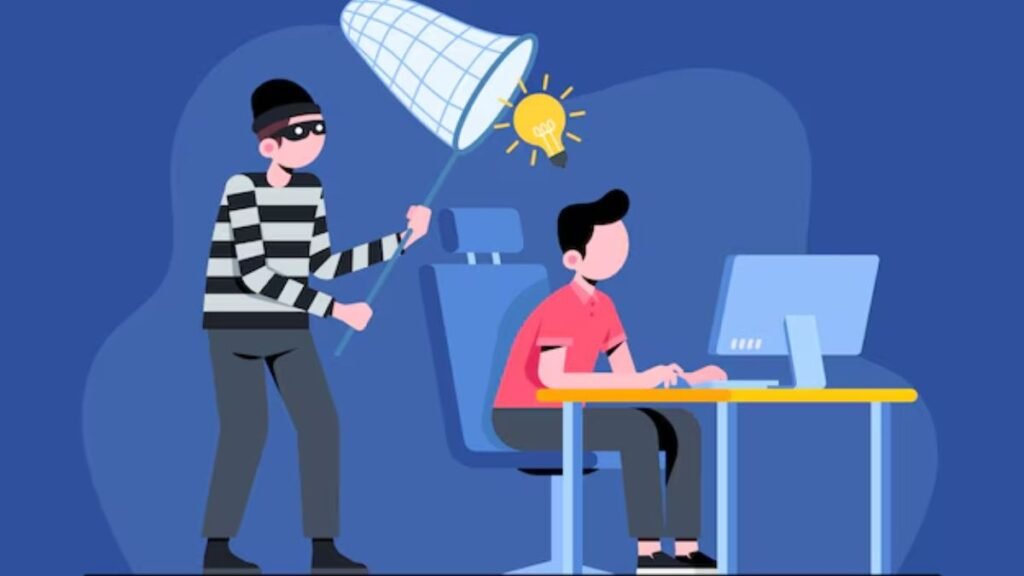

In the world of research and academic writing, “plagiarism”—that is, copying—is considered a serious issue. When an individual presents someone else’s ideas, words, data, or work under their own name without permission or proper attribution, it is termed plagiarism. This is not only unethical, but in many academic institutions, it is regarded as a serious offense that can result in penalties, impediments to obtaining a degree, or even a negative impact on one’s career for the student or researcher involved. Therefore, it is essential for every student and researcher to understand what plagiarism is, its various types, and how to avoid it.
What is Plagiarism?
In simple terms, plagiarism means claiming someone else’s work as your own. It involves taking information from a book, research paper, website, or other source and using it without providing a citation or giving credit. Often, people do this intentionally; however, mistakes can also occur due to a lack of information or a lack of knowledge regarding proper writing techniques. Whether the error is unintentional or deliberate, the consequences can be severe.
Main Types of Plagiarism
There are several types of plagiarism, and understanding them is crucial so that you can identify and avoid them.
- Direct Plagiarism: This involves copying someone else’s words verbatim—without making any changes—and incorporating them into your own work. This is the most obvious and serious form of plagiarism, as it completely lacks originality.
- Self-Plagiarism: When an author reuses their own previously published work without disclosure, it is referred to as self-plagiarism. This is also considered improper because every new research project is expected to contain new information and demonstrate fresh effort.
- Mosaic Plagiarism: This involves incorporating sentences or ideas from various sources into one’s own work—often with slight modifications—but without providing proper citations. While it may appear original on the surface, it is, in reality, still plagiarism.
- Accidental Plagiarism: Often, students or researchers forget to cite their sources correctly or neglect to record the source while taking notes. This error occurs unintentionally; however, it is still classified as plagiarism.
Examples of Plagiarism
Suppose you take a paragraph from a website and insert it into your assignment without making any changes and without citing the source. This constitutes direct plagiarism. Similarly, if you borrow an idea from a research paper and rephrase it slightly in your own words but fail to give credit to the original author, this, too, is considered plagiarism. Such instances are common in the academic world, yet they are treated with great seriousness.
Why is Plagiarism a Problem?
Plagiarism is not merely a technical error; it is fundamentally an issue of honesty and trust. The primary objective of research is to generate new information and advance the frontiers of knowledge. If individuals begin to claim others’ work as their own, the credibility of research is undermined. Furthermore, engaging in plagiarism can tarnish an individual’s reputation and lead to severe academic or legal repercussions.
How to Avoid Plagiarism?
Several simple yet crucial steps can be taken to avoid plagiarism. First and foremost, always cite your sources accurately. If you draw information from a book, journal, or website, it is imperative to acknowledge it. Second, instead of directly copying information, strive to understand it and express it in your own words (paraphrasing). Third, when incorporating direct quotes, enclose them within quotation marks and provide the corresponding source citation. Additionally, utilizing plagiarism checker tools to scan your work serves as an effective preventive measure.
Tips for Students and Researchers
Students should familiarize themselves with various citation styles—such as APA, MLA, etc.—before embarking on any research project. Furthermore, they should cultivate the habit of recording their sources concurrently while taking notes to avoid confusion later on. Researchers, too, must maintain a systematic record of all their references and refrain from rushing through the process.
Conclusion
Plagiarism is a pervasive issue that impacts not only the academic sphere but also an individual’s professional career. With accurate information, awareness, and integrity, you can easily avoid this. As a responsible student or researcher, it is your duty to always produce original work and respect the work of others. This is what makes your work credible and valuable.