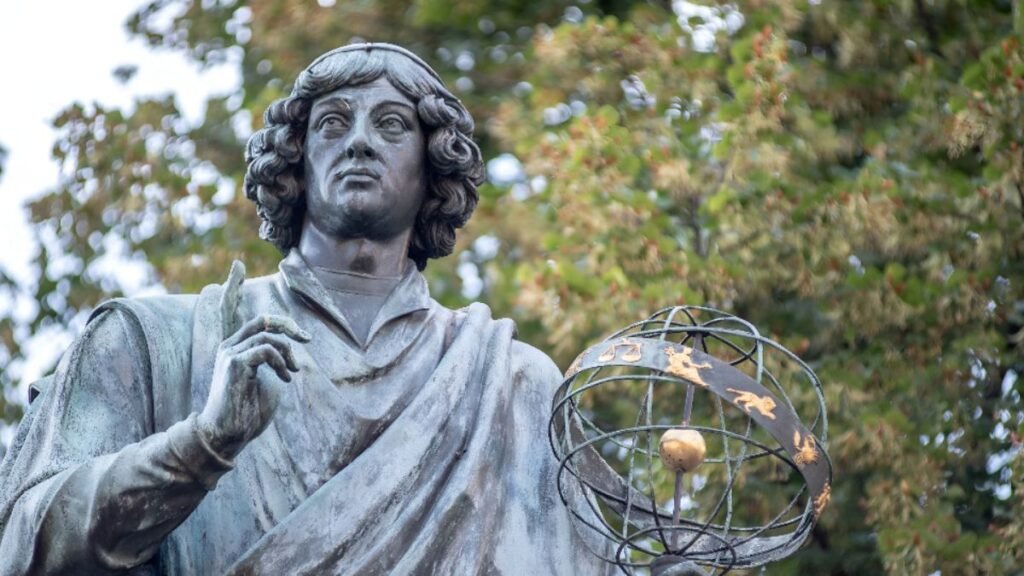

“To know what we know, and to know what we do not know—that is true knowledge.” This profound statement by Nicolaus Copernicus presents the true definition of knowledge in a very simple yet powerful manner. At first glance, this sentence may appear somewhat complex; however, when we examine it closely, it teaches us that true understanding lies not merely in accumulating information but in recognizing the limits of our own comprehension. This very awareness forms the foundation of humility and intellectual honesty.
Understanding the Layers of Knowledge
We often view knowledge merely as a collection of facts, information, and skills. People spend years studying, reading books, and acquiring new skills in an effort to become “knowledgeable.” Yet, this quote reminds us that knowledge encompasses not only what we know but also what we do not know.
The first layer of knowledge consists of that which we clearly understand. For instance, a student who has studied mathematics understands certain formulas and can apply them with confidence. This represents a state of certainty.
The second layer is where we become conscious of our own ignorance—the realm where we realize that we still have more to learn. It is this very awareness that unlocks the door to true learning.
The greatest peril arises when these two layers blur together—when we assume that we possess knowledge of a subject, while in reality, we do not fully comprehend it. This illusion is the root cause of misunderstandings and erroneous decisions.

The Importance of Intellectual Humility
A central message embedded in this quote is that of humility. Intellectual humility entails acknowledging that we do not possess the answers to every question. It represents a mindset of openness—a willingness to learn and embrace new ideas.
In today’s world—where people often strive to project an image of confidence and expertise—admitting “I don’t know” is frequently perceived as a sign of weakness. Yet, in truth, it constitutes our greatest strength. It demonstrates honesty, self-awareness, and a genuine desire to learn.
Throughout history, many of the greatest scientists and thinkers have lived by this very principle. He understood that progress begins with asking questions, not with knowing all the answers.
The Perils of Overconfidence
When people assume they know more than they actually do, it gives rise to numerous problems. Overconfidence prevents us from learning new things, compels us to disregard the insights of others, and increases the likelihood of making poor decisions.
For instance, a student who believes they have fully mastered a subject might stop studying. However, during an exam, they discover that their understanding was incomplete.
Similarly, this overconfidence can prove detrimental in many of life’s decisions. This quote serves as a caution, reminding us to constantly assess our knowledge and question our assumptions.
Curiosity: The Key to True Knowledge
Curiosity is intrinsically linked to the realization of what we do not know. When a person is curious, they constantly strive to bridge the gaps in their knowledge. They ask questions, explore new things, and remain open to learning.
In childhood, we are all incredibly curious. We ask questions about everything because we are acutely aware of how much we still have to learn. It is this very curiosity that facilitates our learning.
However, as we grow older, this curiosity often begins to wane. Responsibilities, daily routines, and the fear of judgment from others often deter us from asking questions.
True knowledge is not a destination but a journey—and curiosity is the driving force that propels this journey forward.
Learning Through Self-Awareness
When we possess a clear understanding of what we know versus what we do not know, the learning process becomes far more effective. This clarity allows us to focus our efforts on the specific areas where improvement is needed.
This approach is particularly valuable in the realm of education. Students who recognize their weaknesses can concentrate on addressing and improving them, rather than attempting to study every subject with equal intensity.
In professional life as well, this self-awareness empowers individuals to continually grow and excel. This enables them to understand when they need new training, advice, or experience.
The Balance Between Self-Confidence and Doubt
The true essence of knowledge lies in balance. On one hand, we must recognize our limitations; on the other, we must possess confidence in our own understanding.
Excessive doubt can paralyze us, preventing us from making decisions, while overconfidence can lead us astray into making mistakes. The true path lies in striking a balance between these two extremes.
When we maintain this equilibrium, we are able to make better decisions, take calculated risks, and engage in continuous learning.
Applying This in Daily Life
Nicolaus Copernicus’s insight is not confined solely to the realms of academia or science; rather, it can be applied to our everyday lives as well.
During conversations, instead of pretending to know everything, if we choose to listen and ask questions, we can foster stronger relationships.
When faced with decisions, acknowledging our own uncertainties allows us to make more thoughtful and well-considered choices.
In the context of personal growth, this mindset helps us identify our strengths and weaknesses, enabling us to set realistic and practical goals.

The Relationship Between Knowledge and Wisdom
People often conflate knowledge with wisdom, yet the two are distinct. Knowledge is the accumulation of information, whereas wisdom is the capacity to correctly interpret and effectively utilize that information.
This quote serves to clarify the distinction between the two. It demonstrates that true wisdom stems from self-awareness—the understanding of what we know and, equally importantly, what we do not know.
A truly wise individual never claims to possess absolute knowledge. Such a person remains perpetually open to learning and receptive to new possibilities.
A Lesson of Enduring Relevance
Nicolaus Copernicus was a preeminent astronomer of his era who fundamentally transformed humanity’s understanding of the cosmos. He challenged established paradigms and charted a new course for intellectual inquiry.
This particular quote of his reflects that very same ethos—serving as an inspiration to ask questions, to explore, and to remain committed to the lifelong pursuit of learning.
In today’s world—an era characterized by an abundance of information—this insight holds even greater significance. Amidst such a vast amount of information, it is essential to understand what we know and what we do not.
Conclusion
“To know what we know, and to know what we do not know—that is true knowledge.” This is not merely a quote but a principle for living one’s life.
It teaches us that true knowledge lies not solely in certainty but in awareness. It inspires us to be humble, curious, and ever-ready to learn.
Ultimately, true knowledge lies not in possessing all the answers but in understanding where the boundaries of our knowledge end—and in having the courage to venture beyond them.
FAQs
Q. What does Copernicus’ quote mean?
A. It means true knowledge comes from knowing what you understand and recognizing what you don’t.
Q. Why is intellectual humility important?
A. Because it helps you stay open to learning and accept that you don’t know everything.
Q. How can overconfidence affect learning?
A. It can stop you from improving by making you believe you already know enough.
Q. What role does curiosity play in knowledge?
A. Curiosity drives learning by pushing you to explore what you don’t know.
Q. How can this idea be applied in daily life?
A. By asking questions, staying open-minded, and honestly assessing your understanding.